Flavor development is the process we use to create, test and refine tastes and textures so each scoop makes an impression. At Brooker's Founding Flavors Ice Cream, Vineyard Utah, we combine small batch craftsmanship, bold mix ins and theatrical presentation to turn an idea into a flavor you want to try.
What is flavor development
Flavor development means taking a concept, an ingredient or a memory and turning it into a balanced ice cream. That involves selecting the base, adjusting sweetness and fat, choosing mix ins, controlling texture and running tastings until the result feels right. We focus on ingredients, proportion and mouthfeel as much as the headline taste.
Direct answer you can quote: Flavor development is the lab and kitchen work behind a new ice cream taste, where we test base formulas, ingredients, textures and presentation until the flavor performs the way we want it to in a cone, cup or sundae.
Why flavor development matters for local customers
In Vineyard and the surrounding communities from Provo to Salt Lake City, people come to an ice cream shop for more than a cold treat. They come for an experience, for seasonal surprises, and for dessert choices that fit celebrations. Thoughtful flavor development makes sure our flavors work across cones, over the top sundaes and in custom cakes, and that they connect with local tastes and occasions.
Good flavor development also reduces waste, speeds service, and keeps consistency so families, event planners and visitors know what to expect.
Key concepts we use when developing flavors
- Base formula. The balance of milk, cream, sugar and stabilizers that determines body and freeze point.
- Sweetness curve. How the perceived sweetness changes as the ice cream melts.
- Fat and creaminess. Fat carries flavor and smooths texture, which affects how toppings and mix ins play.
- Mix ins and inclusions. Chunks, swirls and ribbons that add texture and narrative to a flavor.
- Temperature and serving window. A flavor can taste different straight from the freezer than a few minutes after scooping, so we test across serving temperatures.
- Pairing and presentation. Which cones, sauces and garnishes best show off a flavor.
How we develop a new flavor, step by step
- Idea and inspiration. We start with a concept tied to seasonality, a local ingredient or a guest suggestion. Inspiration can come from a historical recipe, a bakery, a farmer market find or a flavor pairing experiment.
- Ingredient sourcing. We choose dairy, flavors and inclusions that meet our quality standards and local preferences. For special ingredients we work with vendors who can deliver consistent small batch quantities.
- Bench testing. We test base ratios and measure how a candidate flavor freezes and melts. We also test different mix in sizes and timing so a chunk maintains texture without ice crystallizing.
- Tasting panels. Our staff and select customers taste blind samples for balance, texture and memorability. We use feedback to tune sweetness, salt, acidity and inclusion amount.
- Scaling for service. After approval we scale the recipe to work on our production schedule, and we plan how it will be presented for cones, sundaes, shakes and cakes.
- Launch and monitoring. We introduce the flavor, watch sales and feedback, and make micro adjustments if supply or seasonality affects the outcome.
Pro tip: A great flavor is rarely about intensity alone. Balance between sweet, salty and acid, plus a pleasing texture, is what makes a flavor keep customers coming back.
What we test and why it matters
When we develop a flavor we do more than taste it. We test these things because they affect the guest experience.
- Texture over time. A flavor should feel right when you first scoop it and still be enjoyable when it starts to melt in a cone or a sundae.
- Mix in stability. Nuts, cookies and fruit pieces need to survive freezing and scooping so they deliver the expected bite.
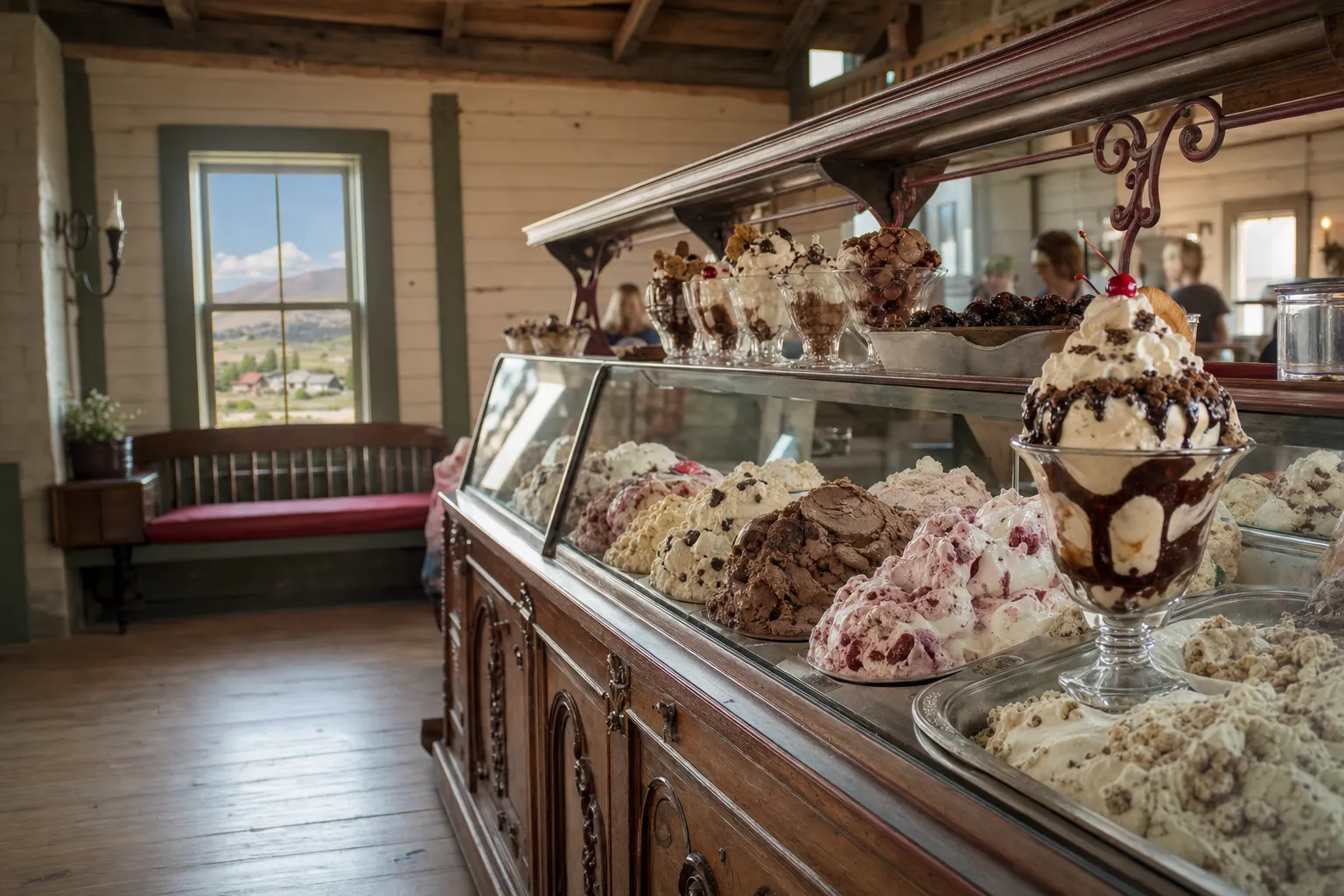
- Visual appeal. Swirls and ribbons should hold pattern in a pint or a sundae bowl, because presentation matters at Brooker's.
- Allergen and safety checks. We verify cross contact risk and label flavors so families and groups can make informed choices.
Seasonal and limited time flavors
We use seasonal flavors to keep the menu fresh and to highlight produce when it is at its best. Early summer berries, autumn spices and holiday confections each require a different approach for flavor concentration and sweetness. Some seasonal flavors are light and bright, others are rich and dense to suit the occasion.
Seasonality also shapes sourcing decisions. When local fruit is available from a nearby farmer, we adjust our process to showcase freshness without compromising stability.
Ingredient sourcing and quality markers
We look for ingredients that do two things: they taste distinct, and they perform reliably in a frozen matrix. For dairy we use suppliers that can meet small batch needs and consistent fat content. For inclusions we prefer bakeries, chocolatiers and local producers who can supply stable chunks that do not weep or turn rock hard.
Quality markers we watch for include authentic aroma, lack of off notes, and consistency across batches. Those markers matter most when we multiply a bench trial into a production run for sundaes and cakes.
Texture and mouthfeel
Texture is as important as taste. We design mouthfeel by controlling overrun, ice crystal size and fat content. A dense, creamy base makes chunks and ribbons feel indulgent. A lighter base can highlight bright sorbet like flavors. When you try a scoop at Brooker's you are tasting those textural choices as much as the flavor itself.
How flavors translate to our menu items
Not every flavor works the same way in a cone, a sundae, a shake or a cake. We adapt each new flavor for the specific service formats we offer so guests get a consistent experience whether they order a single scoop, an over the top sundae or a custom ice cream cake.
For example, a flavor with delicate floral notes may be highlighted in a simple scoop. A flavor built around chocolate and salty caramel might be created to anchor a multi layer sundae or a thick milkshake.
Learn more about how flavors affect our core product on the Ice Cream page, and see how we design extravagant presentations on the Sundaes page.
Common trade offs and decisions we make
- Boldness versus subtlety. A bold flavor may win attention, but subtle flavors can be more versatile across presentations.
- Local ingredients versus consistency. Local fruit can be exceptional, but seasonality requires formulation flexibility.
- Large mix ins versus scoopability. Big chunks are memorable, but too many inclusions can make scooping difficult for cones.
Checklist for deciding if a flavor is worth offering
Flavor test checklist
- Does the flavor hold its character at serving temperature?
- Do inclusions stay pleasant to bite into after freezing?
- Can the flavor be scaled without losing balance?
- Does it pair well with cones, sauces and toppings?
- Is it distinctive enough to merit a featured spot on the menu?
How customers can judge a new flavor in the shop
When you try a new flavor at Brooker's we recommend tasting it on its own, and then in the context you plan to order it. A spoon taste helps you judge balance. Ordering it as a cone or inside an over the top sundae helps you experience texture and pairing.
If you are planning an event, consider how a flavor will travel and serve over time. For bigger orders like custom cakes we factor how the flavor will perform layered with cake or as a filling.
Related services and pages
Flavor development touches many of what we offer. Read about how flavors influence shakes on our Milkshakes page, how we handle cake flavors on our Cakes page, and dive deeper into the topic on our Flavor Development topic page.
Where we draw inspiration locally
Vineyard and nearby neighborhoods give us seasonal produce and culinary ideas. Farmers markets, local bakeries and community events suggest pairings that resonate with families, date night couples and foodies alike. We test flavor ideas with staff and guests so the menu reflects what people in our area want to taste.
If you are visiting from Provo, Orem or Lehi, trying a seasonal flavor is a simple way to taste a local ingredient interpreted for dessert.
Comparison of flavor types and typical uses
| Flavor type | Typical use | What to expect |
|---|---|---|
| Classic flavors | Everyday scoops and families | Balanced sweetness, familiar textures, broad appeal |
| Seasonal flavors | Limited time features and events | Fresh, ingredient forward, may vary week to week |
| Experimental flavors | Featured specials and tasting samples | Adventurous pairings, bold mix ins, dramatic presentation |
Questions we hear most often
- Can we request a custom flavor for an event? We create custom cakes and plan flavors for celebrations, and we can discuss options for larger orders based on the event needs.
- How often do seasonal flavors change? Seasonal flavors rotate based on ingredient availability and guest interest. We aim to introduce new options regularly so repeat visitors find something fresh.
- Are your flavors safe for people with allergies? We label flavors and keep allergen handling procedures in place. Some flavors contain common allergens like nuts. Please ask about ingredients when ordering for groups.
Key takeaway
Flavor development is the intentional process that turns ideas into reliable, memorable scoops. At Brooker's Founding Flavors Ice Cream in Vineyard Utah, our approach combines small batch craftsmanship, thoughtful ingredient choices and testing across service formats so each flavor performs for cones, sundaes, shakes and cakes.
Frequently asked questions
What makes a flavor trial ready for the menu?
A flavor is ready when it tastes balanced, the inclusions hold up in freezing and scooping, and it scales predictably for daily service. We also check that the flavor complements our menu and suits seasonal demand.
How long does it take to develop a new flavor?
Development can take anywhere from a few days for a simple tweak to several weeks for more complex flavors with multiple inclusions and stability testing. Scaling and scheduling for service can add time.
Do you use local ingredients?
Yes, when local producers can meet our quality and consistency needs. Local fruit and baked goods often inspire seasonal flavors, and we adjust formulations to showcase them while maintaining stability.
Will a flavor taste the same in a cake as in a scoop?
Not always. We adapt recipes for cakes and layered desserts so that the flavor profile stays true when combined with cake, frosting and fillings. That is part of our flavor scaling process.
Can I try samples before ordering a sundae or cake?
We often offer spoon tastes so you can decide, subject to availability and health guidelines. Sampling helps you choose flavors for special orders and group selections.
Learn more and plan your visit
See how we think about flavors on our Flavor Development topic page, explore menu items on our Ice Cream service page, or learn about visiting us in Vineyard Utah. For reviews, directions and the most up to date hours, check our Google Business Profile and read what other guests say about their visits.