
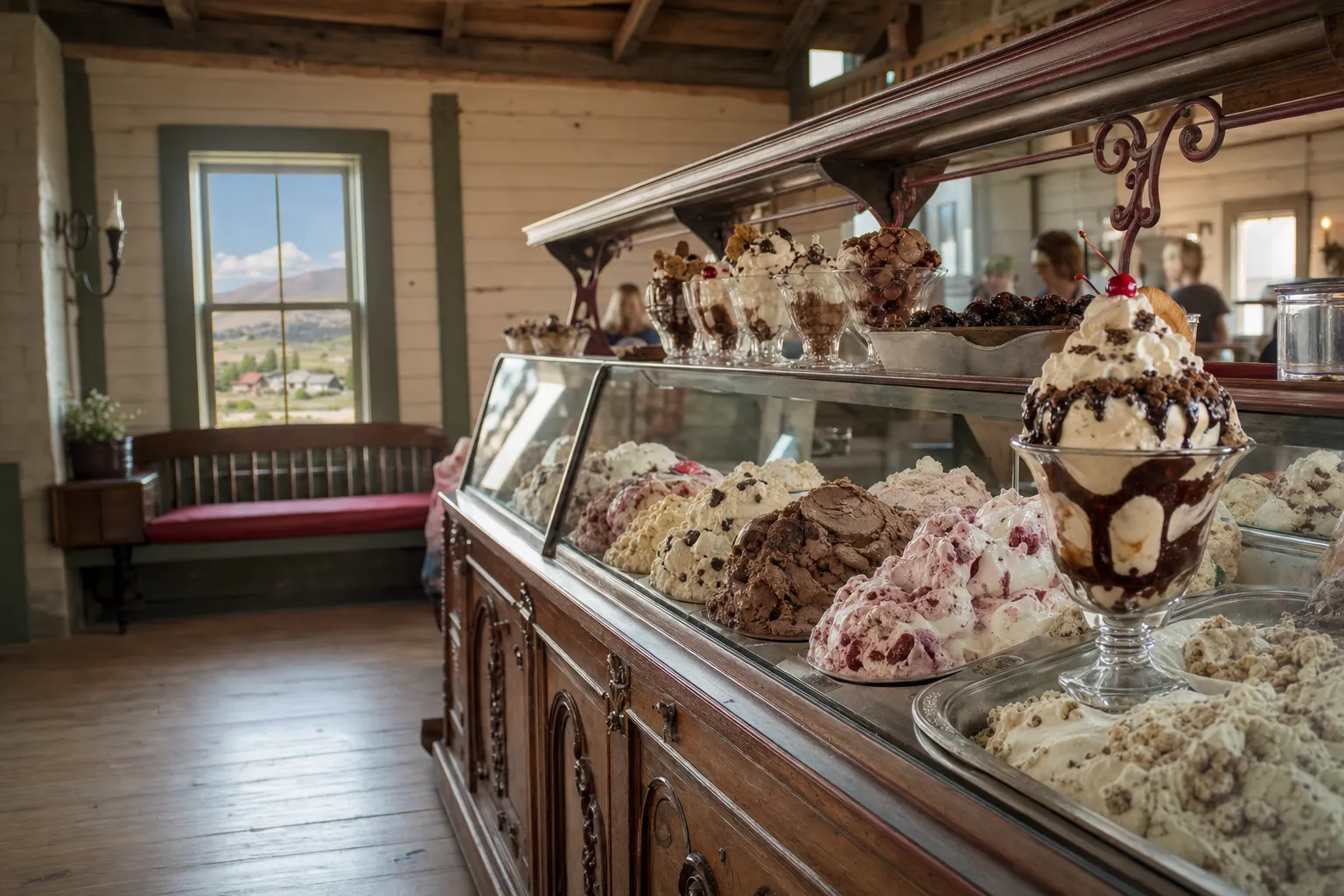
Texture and mouthfeel are the physical sensations that make ice cream feel creamy, icy, chunky or silky, and they are often the reason one flavor becomes a favorite. At Brooker's Founding Flavors Ice Cream we craft those sensations with a few deliberate choices: a rich base, controlled air, small ice crystals, bold mix ins and the right serving temperature.
Why texture and mouthfeel matter more than you think
Most people choose ice cream by flavor, but texture and mouthfeel determine how that flavor arrives and lingers. A smooth, velvety mouthfeel lets delicate flavors register cleanly. A chunky, chewy texture makes mix ins dramatic and memorable. A slightly airy texture can make a heavy base feel lighter without losing richness.
When families, date night couples or local foodies stop by we want every bite to match the mood of the visit. Texture is also what separates a routine scoop from an over the top sundae or a hearty shake. That is why we tune our ice cream so presentation and mouthfeel work together.
What creates texture and mouthfeel in ice cream
Base mix and fat content
The composition of the base is the first building block. Butterfat from cream adds richness and a coating sensation on the tongue that most people describe as creamy. Milk solids contribute body. At Brooker's we choose a base that supports bold flavors and chunky mix ins without feeling greasy or heavy.
Air and overrun
Air trapped in the ice cream, called overrun in industry terms, changes density and mouthfeel. More air makes the product lighter and scoopable. Less air gives a dense, luxurious chew. We balance air to match each style we make, so a classic scoop is different from a hearty shake or an over the top sundae.
Ice crystal size and freezing method
Small, uniform ice crystals create a silky texture. Large crystals feel icy and coarse. The way ice cream is churned and frozen, and how it is stored, controls crystal size. Our processes aim for small crystals so flavors are delivered smoothly and the texture stays consistent from first scoop to last.
Stabilizers and emulsifiers
Certain natural stabilizers and emulsifiers help maintain a smooth structure and slow recrystallization during storage. We use ingredients chosen to support scoopability and mouthfeel without masking flavor. That balance matters for families and tour groups who want consistent quality whether you eat your treat right away or take it home for later.
Mix ins and swirls
Chunks, swirls and ribbons are a large part of what people come for at Brooker's. The size, hardness and temperature of mix ins change mouthfeel dramatically. A warm salted caramel ripple will feel different next to a frozen brownie chunk than a room temperature cookie fragment. We plan textures so each element complements the base and play up contrast when that makes sense.
Serving temperature and vessel
Temperature influences how quickly fat melts and how fast flavors reach the palate. Too cold and the base is hard and flavor muted. Too warm and it becomes soft and loses shape. We serve scoops, sundaes and shakes at temperatures tuned for the format, and choose cones, cups and glassware that support the intended mouthfeel.
Pro tip: If you prefer a silkier taste, choose a dense scoop or a sundae with warm sauce. If you like contrast and chew, look for flavors with big mix ins and chunky ribbons.
How we translate texture into menu choices
At Brooker's Founding Flavors Ice Cream we map texture to menu categories so you know what to expect when ordering. Our regular scoops aim for a balance of cream and body to showcase inventive flavors. Sundaes are built for layered contrast, with hot elements and crunchy toppings. Milkshakes are blended for uniform thickness but can be topped with chunks or swirls for interest.
We also rotate seasonal items so you can try new textures as well as new flavors. For example, a fall menu might feature a custard style base to feel extra rich, while a summer special might be churned lighter for a refreshing lift.
Learn more about this topic on our Texture And Mouthfeel topic page, or read how our Ice Cream service is prepared for families and groups in Vineyard Utah.
How to choose the right texture for your occasion
Picking texture is like picking the mood of a dessert. Here are simple guidelines we share with guests.
- Family outings and kids: go for scoopable textures with fun mix ins that hold together.
- Date night: choose silkier bases with elegant swirls or a hot sauce for warmth.
- Large groups and parties: pick sundaes or cakes that combine dense ice cream with crunchy toppings so portions feel sharing friendly.
- Warm weather treats: lighter churned styles and milkshakes feel more refreshing.
What to look for when you taste texture
- How the first bite coats your tongue, oily or clean.
- Whether mix ins are well distributed or come as surprise pockets.
- How the texture changes as it warms in the cup or cone.
- Whether a sundae sauce adds creaminess or contrast.
Practical considerations for families and event planners
Texture matters for practical reasons too. Cakes and party tubs need to hold structure through travel. Ice cream for a field trip should resist melting for a short time. We plan textures with those constraints in mind, choosing denser formats or packaging that preserves mouthfeel when people are on the move.
For birthday sundaes and custom cakes we discuss texture choices so the dessert fits the occasion. You can think of texture as part of the event design, alongside flavor and presentation.
How we maintain texture from scoop to serving
- Ingredient selection. We start with a base that supports body and flavor without being heavy.
- Churning and freezing. Equipment and cycle times are set so crystal size stays small and consistency is uniform.
- Mix in timing. We add chunky elements at a stage that preserves their bite and prevents them from turning soggy.
- Holding and serving temperature. We store pints and tubs at stable temperatures and train staff to serve at the right moment for texture.
Watch out: Bringing ice cream to room temperature to soften it too much will flatten the mouthfeel and mute flavor. If you plan to travel with a dessert choose a denser style or insulated packaging so texture survives the trip.
Common misconceptions about texture
Customers often think that denser always means better, or that lighter always means lower quality. The truth is that quality is about fit between base, mix ins and format. We design each item so texture supports the flavor and the occasion, rather than following a single rule.
Another misconception is that all crunchy mix ins make ice cream feel colder. In reality, contrast can make the overall experience more interesting and highlight certain flavors, which is why we stage the size and placement of mix ins carefully.
Quick guide to ordering for texture at Brooker's
Here are short recommendations you can quote or use when you order.
- Want silky and expressive flavor: order a dense scoop or a sundae with warm sauce.
- Want chew and surprise: pick flavors with chunky mix ins and ribbons.
- Want something light but flavorful: choose a lighter churned summer special or a blended shake.
You can see current texture forward options and seasonal features when you visit our location in Vineyard, Utah at the Vineyard location page.
Key takeaway
Texture and mouthfeel shape how flavor is delivered and remembered. At Brooker's Founding Flavors Ice Cream we tune base composition, air content, ice crystal control, mix in design and serving temperature so every bite fits the occasion, whether you are visiting with family, planning a party, or enjoying a date night.
Frequently asked questions
What does mouthfeel actually mean for ice cream?
Mouthfeel describes the tactile sensations in your mouth when you eat ice cream, such as creaminess, iciness, chew, crunch and smoothness. It is a combination of the base, air content, ice crystal size and the character of mix ins and sauces.
Why does some ice cream taste bland when it is very cold?
Very cold temperatures slow the release of volatile flavor compounds, so the ice cream can taste muted. Serving at the right temperature allows fats and aromatic compounds to reach your palate quickly, so flavor and texture register together.
How can I tell if a scoop has good texture?
Look for a clean first bite, even distribution of mix ins if present, a pleasant rate of melt, and how the flavor lingers. For families, stability while eating is also important, so pay attention to how the scoop holds shape in a cone or cup.
Do different formats change texture expectations?
Yes. Scoops are meant to balance cream and body, sundaes are designed for contrast with hot and crunchy elements, and milkshakes are blended for uniform thickness. Each format uses texture to support the intended experience.
Can I request a softer or firmer scoop when I visit?
We adjust serving technique to a degree for personal preference and for the type of treat you order. If you have a clear preference tell the server when you order and we will aim to match your expectation while preserving the quality of the item.
Learn more and plan your visit
Read customer reviews and get directions on our Google Business Profile, or explore related pages for more on texture, toppings and treats at Brooker's Founding Flavors Ice Cream. Learn about our approach to mix ins and toppings on the Mix Ins And Toppings topic page, browse our range of sweets on the Ice Cream service page, or see details for visiting our Vineyard location.